


Brazil’s Coffee Planting Boom: What It Means for Supply and Prices
Brazil is planting more coffee than at any time in years, and much of the new growth is on irrigated, mechanised, high-density farms that look more like precision agriculture than the traditional hillside estate. Combined with a strong 2026 harvest, this is pushing the world towards its first coffee surplus in years. Prices have already come down from their 2025 record, but the new trees will take two to four years to reach full production, so cheaper coffee in your cup is a slow story, not an overnight one.
What is happening in Brazil?
Brazil is on course for a record crop, helped by more land under coffee and better yields per hectare. Brazil’s crop agency Conab projects a 2026 harvest of 67.6 million 60kg bags, up 19.6% on 2025, from a planted area that has grown 5.1% to 1.95 million hectares (ANBA via Tridge). Average yield rose from 30.4 to 34.6 bags per hectare.
| Brazil crop (60kg bags) | 2025/26 | 2026/27 forecast | Change |
|---|---|---|---|
| Arabica | 38 million | 47.5 million | +25% |
| Robusta (conilon) | 25 million | 24.4 million | -2% |
| Total | 63 million | 71.9 million | +14% |
Source: USDA FAS Coffee Annual, June 2026. The USDA notes that coffee area is expanding “largely due to rising international demand and higher coffee prices”.
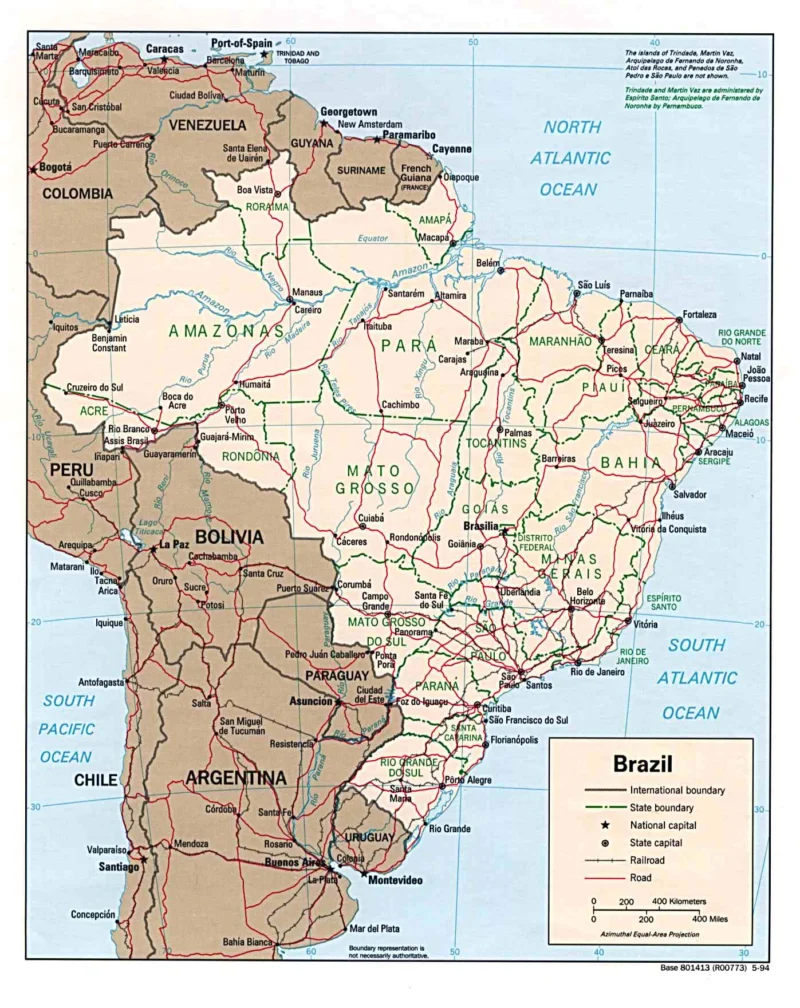
The expansion is also geographic. Robusta-type coffees are spreading into states that grew little or none a few years ago (Reuters via Yahoo Finance):
- Minas Gerais robusta output is expected to hit 602,200 bags in 2026, up 94% on 2020.
- Mato Grosso is forecast at 298,700 bags, up from 158,400 in 2020.
- Ceará hopes to plant about 1,000 hectares of conilon in 2026, potentially growing to 5,000, with its closeness to ports a selling point for exports.
Inside the new high-tech plantations
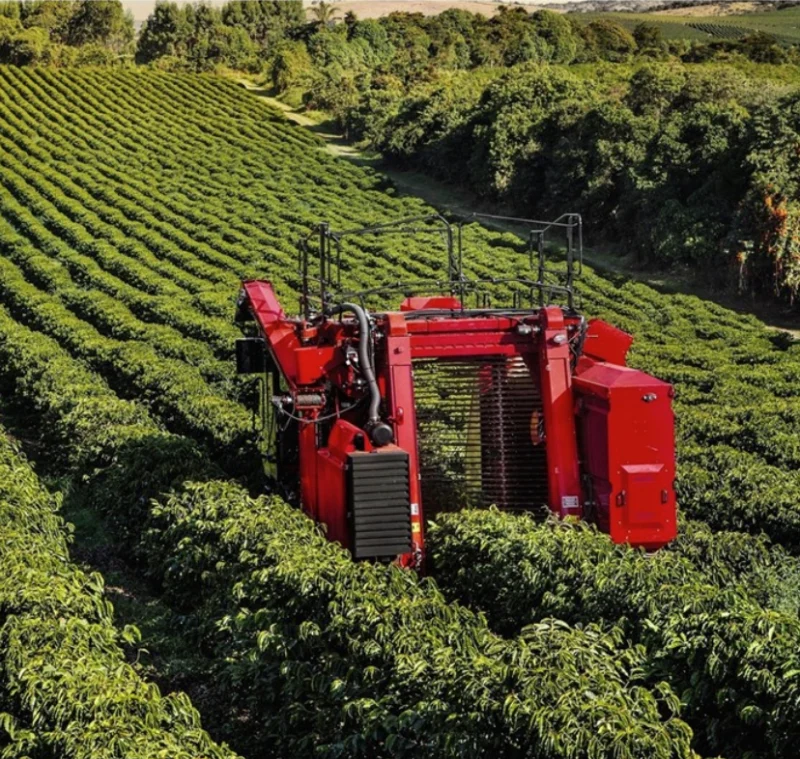
The new farms are built around water, machines and genetics, and they routinely produce double the national average yield. The clearest example is western Bahia, a coffee frontier where most farms are now irrigated. Reuters visited the Joha farm there: 900 hectares of irrigated coffee, more than 20 times the size of an average Brazilian coffee farm, with one lot yielding up to 80 bags per hectare (Reuters via Investing.com). An old, unirrigated farm can manage as little as 20.
What sets these plantations apart:
- Irrigation. Centre-pivot systems cost about 1.5 million reais (roughly $263,000) each, and drip irrigation about 40,000 reais per hectare. Pivot numbers in Brazil rose 14% between 2022 and 2024, and about 30% of coffee fields are now irrigated. Cooxupé, the largest co-op, expects its irrigated share to double from about 20% within three to five years.
- Mechanisation. Flat, open land in Bahia and the Cerrado suits self-propelled harvesters, which cut labour needs and shorten the harvest. The USDA describes Bahia’s farms as “highly mechanized systems” focused on premium and specialty beans.
- Better genetics and denser planting. Growers are planting more trees per hectare, and in Rondônia robusta farmers are replacing old trees with higher-yielding clonal plants (USDA FAS).
- Smarter pruning. Systems such as “Zero Crop, 100% Crop” skeleton pruning let farmers manage Brazil’s on-year, off-year cycle and use less fertiliser.
There is a catch. Irrigation leans on finite groundwater: the Urucuia aquifer under western Bahia lost 31 cubic kilometres of water between 2002 and 2021, mostly to agriculture. As one Bahia investor told Reuters, “the number one aspect we take into consideration nowadays is water availability”.
Why is this happening now?
Record prices and repeated weather shocks made investing in coffee both profitable and necessary. Arabica futures rallied 70% in 2024 and hit an all-time high of $4.40 a pound on 13 February 2025, after droughts in Brazil left the world short by about 12.5 million bags over three years (Reuters via Investing.com). Robusta peaked at a record $5,849 per tonne.
Those prices gave farmers and investors the cash to plant. The droughts also showed that rain-fed farms are a gamble: one unirrigated grower in Minas Gerais saw output fall from 2,000 bags in 2020 to 700 in 2024. As he put it, “without irrigation it will be very hard to produce coffee profitably”.
What it means for global coffee supply
The world is moving from shortage to surplus, and Brazil’s grip on supply is tightening. Forecasters expect the 2026/27 season to produce more coffee than the world drinks for the first time in years: Hedgepoint estimates a surplus of about 8.9 million bags and Rabobank 7 to 10 million (Bump Coffee roundup). Brazil already supplies about 35% of global consumption, and the USDA expects its exports to rise 30% to 49 million bags this season.
A few points worth keeping in mind:
- The new trees are not all producing yet. A coffee tree takes two to three years to give a meaningful crop and longer to reach full yield, so planting done in 2024 and 2025 will keep adding supply through 2027 and 2028.
- Stocks are still thin. Certified arabica stocks on ICE were around 240,000 bags in late October, close to a 27-year low (Trading Economics). It will take time to rebuild the buffer.
- Weather is still the wild card. El Niño-linked humidity hit this year’s harvest and drying, raising quality concerns, and Cooxupé says it will reject beans below its standards.
- Smaller origins face pressure. If large, efficient Brazilian farms produce at double the average yield, higher-cost smallholders in Central America, Africa and parts of Asia may struggle when prices fall. That could make some specialty origins scarcer, not cheaper.
What it means for coffee prices
Wholesale prices have already fallen by about a third from the peak, but they remain high by historical standards and will be slow to reach the shelf. Arabica futures traded just under $3 a pound on 26 October 2026, against $4.40 in February 2025 (Trading Economics). ING expects prices to drift lower as Brazilian supply recovers and inventories rebuild (ING Think).
Three things could slow that slide:
- Weather. A drought or frost in Brazil can wipe out a surplus in a single season, and El Niño is still on the radar.
- Input costs. Brazilian growers are now applying fertiliser for the 2027/28 crop with less buying power than a year ago, which could limit yields.
- Currency and politics. A weaker Brazilian real, as seen after this month’s presidential election, encourages farmers to sell and tends to push dollar prices down; a stronger real does the opposite.
For coffee drinkers, retail prices typically lag futures by several months. Roasters bought much of what they are roasting now at higher prices, so any relief will come gradually through 2027 rather than all at once.
What it means for a small Irish roaster like us
For an independent roaster in Dundalk, a better-supplied market means steadier green coffee costs and more choice, but it does not change what we look for in a bean. Big, efficient Brazilian farms are very good at producing consistent, reliable coffee at scale, and that underpins much of the coffee the world drinks.
Our job is different. We roast to order in small batches and choose beans for flavour first. Lower commodity prices are welcome, but the coffees that win awards rarely come from the cheapest end of the market. If smallholder farms elsewhere come under pressure, paying fair prices for great coffee matters more, not less.
Frequently asked questions
Is Brazil planting more coffee? Yes. Brazil’s coffee area grew 5.1% to about 1.95 million hectares in 2026, and growers are expanding into new states such as Mato Grosso, Ceará and western Bahia.
What makes the new Brazilian coffee farms high-tech? They combine centre-pivot or drip irrigation, mechanical harvesting, denser planting and higher-yielding clonal varieties. Leading farms reach up to 80 bags per hectare, roughly double the national average.
Will coffee prices fall in 2027? Most analysts expect wholesale prices to ease as the world moves into surplus, but weather in Brazil remains the biggest risk. Retail prices usually follow futures with a lag of several months.
How much of the world’s coffee comes from Brazil? Brazil supplies about 35% of global coffee consumption and is forecast to produce around 72 million bags in 2026/27.
Is irrigated coffee sustainable? It protects yields against drought, but it draws on groundwater. Western Bahia’s Urucuia aquifer lost 31 cubic kilometres of water between 2002 and 2021, mostly to farming.
Sources
- USDA FAS, Brazil Coffee Annual (June 2026)
- ANBA via Tridge: Brazil forecasts record 2026 coffee harvest (Sept 2026)
- Reuters: Brazil’s producers of canephora coffees expand into new territory
- Reuters: Brazil’s coffee farmers turn to costly irrigation (March 2025)
- Trading Economics: Arabica coffee futures news (October 2026)
- ING Think: Brazil crop recovery to push coffee prices lower (Dec 2025)
- Bump Coffee: Coffee world roundup, October 2026
