


Coffee under threat from rising temperatures.
What Rising Temperatures Mean for The Coffee Trade.
Here’s a sobering thought. Many of the places around the world that grow your favourite beans are steadily getting hotter and hotter, nearly too hot to grow coffee. And that matters more than most people realise.
Coffee Has a Comfort Zone
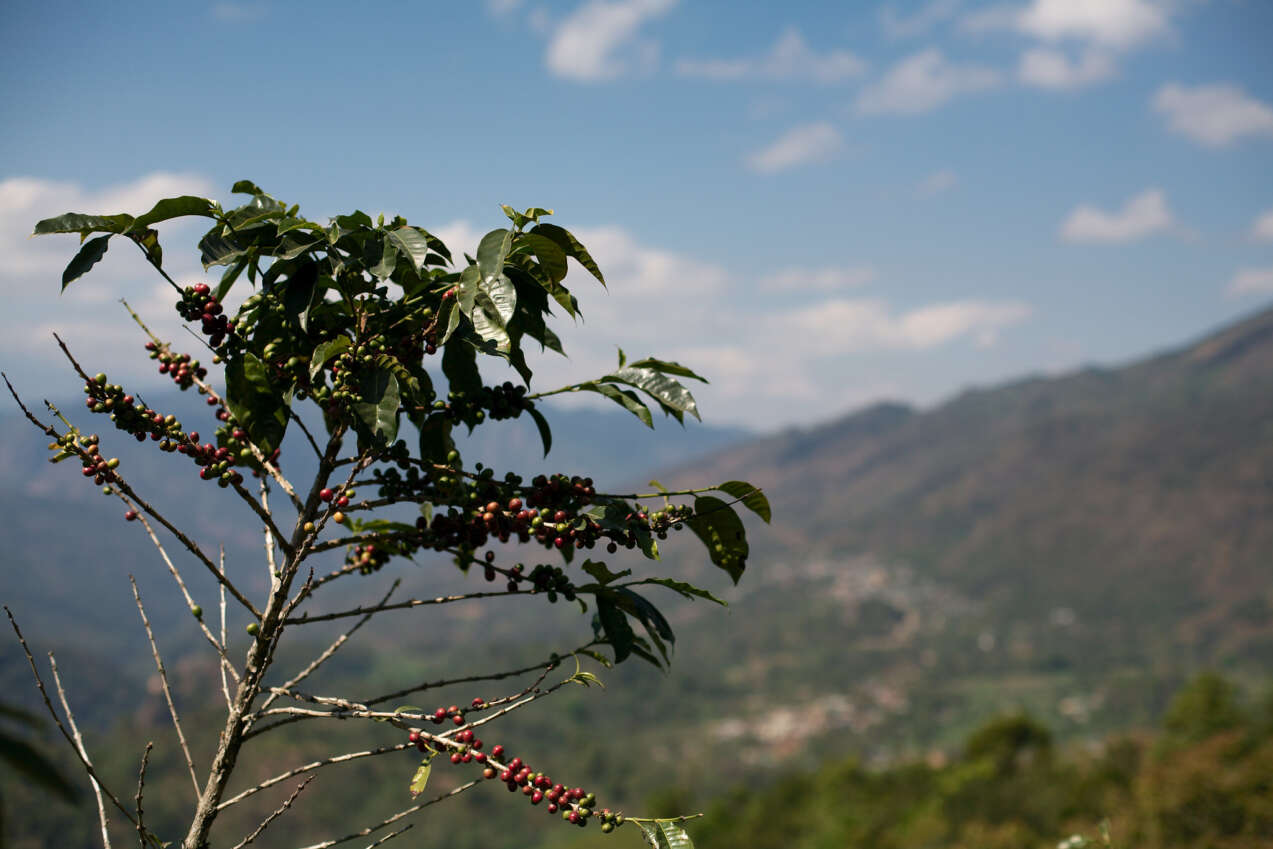
Coffee isn’t a tough, anything-goes crop. It’s fussy and delicate, which is one of the reasons that it tastes so good when grown well. Most of the world’s coffee comes from what’s known as the “bean belt” between the Tropic of Cancer and the Tropic of Capricorn. Countries like Brazil, Ethiopia and El Salvador sit right in that sweet spot.
Coffee bushes need:
Stable temperatures
Predictable rainfall
Plenty of shade
Healthy soil
If the temperature gets much above 30°C things start to go wrong. Yields drop, stress increases and disease spreads more easily. This is happening more often now than ever before. We only need to look at Ireland’s horrendously wet January and February of this year to see how climates have changed around the world. Seeing climate change in action so close to home is a stark reminder of how important it is to consider sustainability and the environment in everything we do.
57 Extra Days of Damaging Heat
Recent climate analysis by the nonprofit research group Climate Central shows that the five countries responsible for roughly 75 percent of global coffee production are now experiencing an average of 57 additional days each year above 30°C due to climate change.
Fifty-seven days is nearly two extra months of stress for coffee trees, every single year.
The figures are stark:
El Salvador has seen close to 100 additional extreme-heat days annually.
Brazil, which produces about 37 percent of the world’s coffee, has experienced around 70 extra days.
Ethiopia, the birthplace of arabica, has had roughly 34 more days above that critical temperature threshold.
When we talk about temperature rise, it can feel abstract. But for coffee, the difference between 28°C and 32°C isn’t small. It’s the difference between steady ripening and real strain.

Why Arabica Suffers First
Arabica is the crown jewel of speciality coffee. It gives us sweetness, acidity, complexity and all the rich flavours we love.
But it’s also a sensitive plant. It’s much more difficult to grow than Robusta. In places like Ethiopia, more than four million households depend on coffee as their main income. Arabica varieties there are particularly vulnerable to direct sunlight and sustained heat. Without proper shade from forest cover, trees produce fewer cherries and become more prone to pests and disease.
Prices Are Already Telling the Story
We’re not talking about a distant future threat. According to global commodity data and reporting from the *World Bank, arabica and robusta prices nearly doubled between 2023 and 2025. In early 2025, coffee prices reached historic highs. Among the reasons are heat stress, irregular rainfall and crop damage. About two billion cups of coffee are consumed worldwide every day. Demand isn’t slowing down. But production is becoming more unpredictable, and when supply tightens, prices rise.
Small Farmers, Big Problem
Between 60 and 80 percent of the world’s coffee is grown by smallholder farmers. Yet they receive a tiny fraction of the climate funding needed to adapt to rising temperatures. Some cooperatives are taking practical steps. Reforestation. Shade management. Energy-efficient cookstoves to reduce deforestation. Better water use. But adaptation takes investment. Without meaningful support from governments and buyers, there’s only so much farmers can do.